Common Plumbing Problems Every Homeowner Should Know and How to Fix Them Early
August 12, 2026
August 12, 2026
A slow drip under the sink may not look urgent, but small plumbing problems rarely stay small. Water has a way of finding gaps, soaking cabinets, staining ceilings, and raising utility bills before anyone notices the real cause.
The good news is that many plumbing issues give warning signs early. If you know what to look for, you can often make a simple fix, prevent damage, and know when the job is better left to a licensed plumber.
This guide covers the Plumbing Problems Every Homeowner Should Know, including leaky faucets, clogged drains, running toilets, low water pressure, water heater issues, and hidden leaks. It is written for homeowners who want practical skills without pretending every repair is a weekend project.
Small leaks often start in places you rarely look.
A faucet that drips after you turn it off usually means one of the small internal parts has worn out. In many faucets, the issue is a washer, cartridge, O-ring, or valve seat. The sound may be annoying, but the bigger concern is wasted water and mineral buildup around the fixture.
Look for these clues before the leak gets worse:
A leak at the spout is usually different from a leak around the base. A spout drip often points to internal parts. Water around the base may mean a worn seal or a loose connection below the fixture.
Start with the easiest step. Make sure the handle is fully off, but do not force it. If the drip continues, shut off the water supply valves under the sink. Turn the faucet on to release pressure.
For many bathroom and kitchen faucets, you can replace the cartridge or washer with basic tools. Bring the old part to a hardware store if you are not sure what to buy. Take a photo before disassembly so you can put everything back in the right order.
A few basic tips help the job go smoother:
Call a plumber if the shutoff valves are stuck, the faucet body is corroded, or water continues leaking after the replacement. Old plumbing can break when forced, especially in homes with aging supply lines.
Most clogs start long before the sink or tub stops draining. Hair, soap film, grease, food scraps, toothpaste, and small debris collect inside the pipe. Over time, the opening narrows and water drains more slowly.
Kitchen sinks often clog from grease and food residue. Bathroom sinks and showers usually clog from hair and soap. Toilets clog from too much paper or items that should not be flushed.
Slow drainage is the first warning sign. You may also notice:
One slow drain often points to a local clog. Several slow drains may mean a larger issue in the main line, especially if water backs up in lower-level tubs or showers.
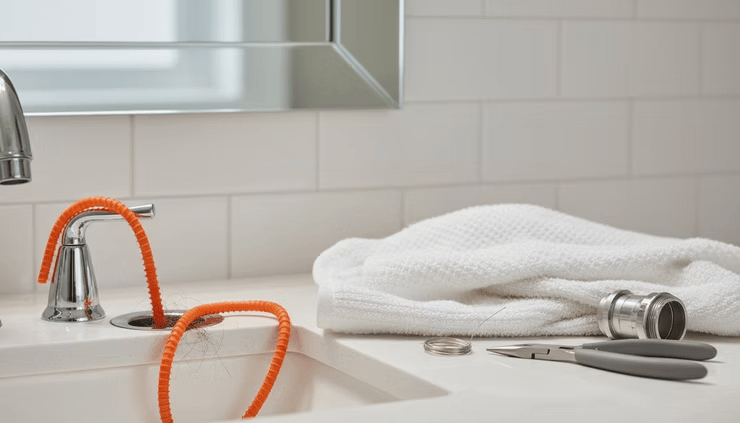
For a sink or tub, remove visible hair or debris near the drain opening. A plastic drain snake can pull out a surprising amount of buildup. For bathroom sinks, cleaning the pop-up stopper often solves the problem.
For a toilet clog, use a flange plunger. It creates a better seal than a flat sink plunger. Keep the first push gentle to avoid splashing, then use steady pressure.
For kitchen sinks, avoid pouring grease down the drain. If the sink is slow, run hot water and use a plunger made for sinks. If you have a garbage disposal, turn it off before reaching near it. Never put your hand inside the disposal chamber.
Avoid relying on harsh chemical drain cleaners. They can damage pipes, especially if used often, and they may not fix the full blockage. A plunger, drain snake, and basic prevention habits are usually safer first steps.
Call a plumber if the clog keeps returning, multiple drains are affected, or sewage backs up into the home. Those signs can point to a main sewer line blockage, tree root intrusion, or damaged piping.
A slow bathroom drain is often caused by hair and soap buildup.
A running toilet may sound like a small trickle or a faint refill every few minutes. Many people ignore it because the toilet still works. The problem is that a running toilet can waste a lot of water and may point to worn tank parts.
Most running toilets come from one of three issues:
The flapper does not seal well.
The fill valve is not shutting off properly.
The float is set too high, sending water into the overflow tube.
Listen after a flush. The tank should refill, then stop. If water keeps running, something inside the tank needs attention.
Other signs include:
You can also use a simple dye test. Put a few drops of food coloring in the tank. Do not flush. If color appears in the bowl after several minutes, water is leaking past the flapper.
Lift the tank lid and watch what happens after a flush. If the chain is too tight, it may hold the flapper open. If it is too loose, the flapper may not lift fully. Adjust it so there is a little slack.
If the flapper looks worn, replace it. This is one of the simplest toilet repairs. Turn off the water supply at the wall, flush the toilet, remove the old flapper, and attach the new one. Match the size and style to your toilet.
If water keeps flowing into the overflow tube, adjust the float. Some floats slide along a rod, while others use a screw adjustment. Lowering the float can help the fill valve shut off sooner.
Call a plumber if the toilet still runs after replacing basic parts, the shutoff valve leaks, or the toilet rocks at the base. A rocking toilet can damage the wax ring and allow water to leak into the floor.
Low water pressure can make showers weak and faucets slow, but it can also point to a larger issue. Sometimes the fix is simple. Other times it may involve sediment buildup, a failing pressure regulator, pipe corrosion, or a hidden leak.
Pay attention to whether the pressure problem affects one fixture or the whole house.
If only one faucet has low pressure, the aerator may be clogged. Unscrew it, rinse out debris, and soak it in vinegar if mineral deposits are present.
If the whole house has low pressure, check whether the main shutoff valve is fully open. If your home has a pressure regulator, it may need adjustment or replacement.
Watch for these extra clues:
A sudden drop deserves attention. It can mean a supply issue, a major leak, or a problem with the water heater or main line.
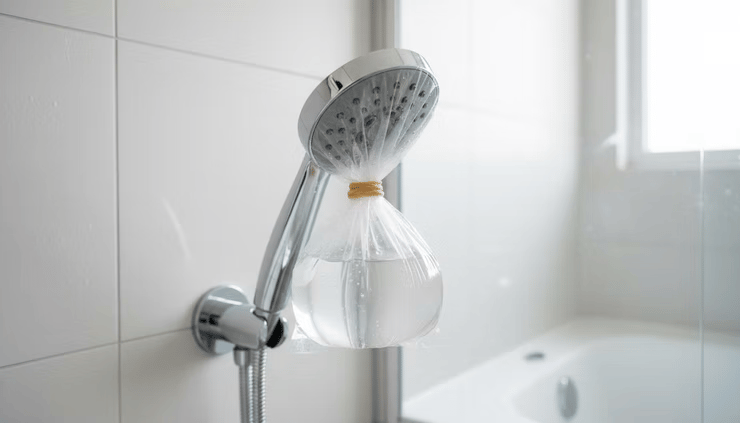
Clean faucet aerators and showerheads first. Mineral buildup is common, especially in areas with hard water. Soaking a showerhead in vinegar can help loosen deposits.
Next, make sure shutoff valves under sinks and behind toilets are fully open. Valves sometimes get bumped during cleaning or past repairs.
For pressure issues throughout the home, avoid guessing with the main system. A plumber can test water pressure and inspect the pressure regulator, supply lines, and visible piping.
Mineral buildup can reduce water flow from fixtures.
A water heater works quietly until something feels off. The shower turns cold too fast. Hot water smells odd. The tank makes popping sounds. These early signs can help you act before a full breakdown.
Common warning signs include:
Sediment can collect at the bottom of a tank over time. When heated, that sediment may cause popping sounds and reduce efficiency. A small puddle near the water heater may come from a drain valve or temperature and pressure relief valve, but it can also mean the tank is failing.
Check the temperature setting. Many homes use a setting around 120 degrees Fahrenheit to balance comfort and safety. If the water is suddenly too hot or too cold, do not keep adjusting without looking for the cause.
Look around the base of the heater for moisture. Check pipe connections and the drain valve. If you see water coming from the tank itself, stop using DIY fixes and call a plumber.
Some homeowners flush their water heater to remove sediment. This can be helpful, but follow the manufacturer’s instructions. If the unit is old or has not been flushed in years, sediment may have hardened, and forcing the process can create problems.
Call a professional for gas odors, electrical issues, active leaks, rusted tanks, or repeated loss of hot water. Water heaters combine plumbing, pressure, heat, and sometimes gas or electricity. Safety matters.
Not every leak announces itself with a drip. Some happen behind walls, under floors, in crawl spaces, or beneath slabs. These leaks can cause stains, mold growth, damaged flooring, and structural problems if ignored.
Stay alert for changes around the house:
A simple meter test can help. Turn off all faucets, appliances, and irrigation. Check the water meter. Wait a short period without using water, then check again. If the meter changes, there may be a leak.
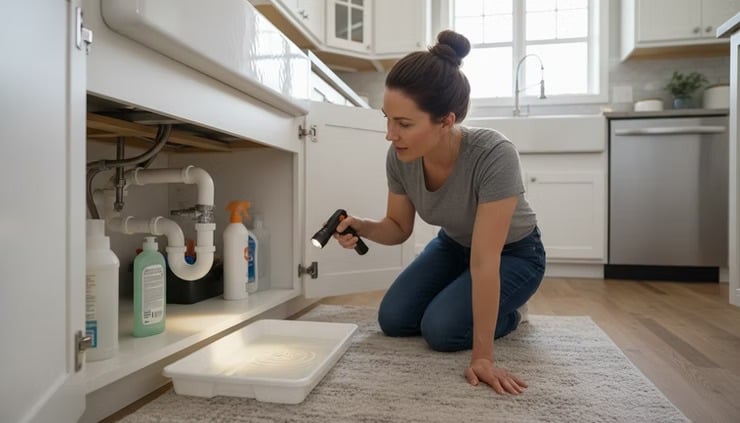
Inspect under sinks monthly. Touch around supply lines, traps, and cabinet floors. Look behind toilets and around the base. Check appliance hoses connected to washing machines, dishwashers, and refrigerators.
If you find a small leak at a threaded connection, tightening it slightly may help. Do not crank down hard. Too much force can crack fittings or damage threads.
For leaks inside walls, ceilings, or floors, call a plumber. Opening the wrong area can cause more damage, and hidden leaks often need proper tools for detection.
A garbage disposal is useful, but it is not a trash can. Fibrous foods, grease, coffee grounds, pasta, rice, bones, and eggshells can clog or jam the unit.
Watch for humming without grinding, slow drainage, bad smells, or water backing up into the sink. If the unit hums, turn it off quickly. Letting it run while jammed can burn out the motor.
Turn the disposal off. For safety, switch off the breaker if you need to inspect it. Use tongs or pliers to remove visible debris, never your hand.
Many disposals have a reset button underneath. Some also have a hex key slot at the bottom that lets you manually turn the blades to clear a jam. Check the manual for your model.
To prevent odors, run cold water before, during, and after use. Grind small citrus peels occasionally for a fresh smell, but do not overload the unit.
Some plumbing tasks are good beginner projects. Others involve risks that can turn an affordable issue into a major repair.
Plumbing issue | DIY-friendly first step | Call a plumber when |
|---|---|---|
Leaky faucet | Replace a washer, cartridge, or O-ring | Shutoff valves are stuck or the leak continues |
Slow drain | Use a plunger or plastic drain snake | Multiple drains back up or sewage appears |
Running toilet | Adjust chain, float, or replace flapper | Toilet rocks or keeps running after repairs |
Low water pressure | Clean aerators and showerheads | Pressure drops suddenly throughout the home |
Water heater concern | Check settings and look for visible leaks | You smell gas, see tank leaks, or lose hot water often |
Hidden leak | Inspect visible pipes and check the meter | Water is inside walls, ceilings, or floors |
A good rule is simple. If the repair involves gas, electricity, main sewer lines, main water lines, hidden pipes, or active flooding, call a licensed plumber.
Plumbing maintenance does not need to be complicated. A few habits can help you catch trouble early and extend the life of fixtures and appliances.
Use this seasonal checklist:
Also, teach everyone in the home what should not go down drains or toilets. Flush only toilet paper and human waste. Put grease in the trash after it cools. Use drain screens in tubs and showers.
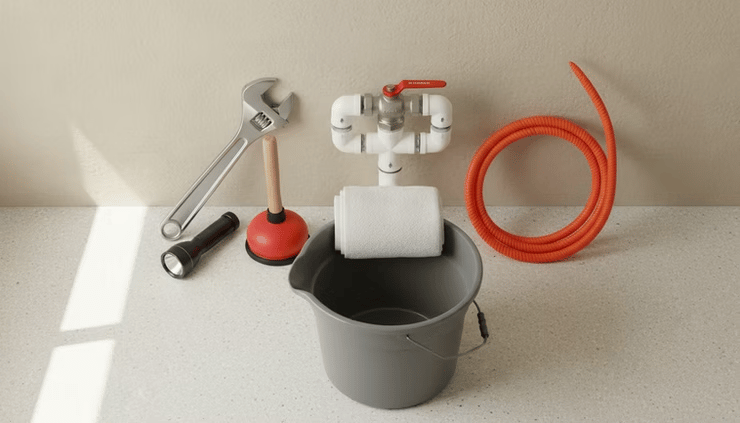
A few simple tools can help with common plumbing checks.
Owning a home means learning its sounds, patterns, and weak spots. A faucet that drips, a drain that slows down, or a toilet that refills on its own is not just background noise. It is useful information.
Start with simple checks. Look under sinks. Listen after toilets flush. Clean drains before they clog. Watch your water bill. Learn how to shut off the water fast.
DIY fixes can handle many small plumbing problems, especially when you catch them early. For anything hidden, recurring, unsafe, or connected to major lines, bring in a professional. The best homeowners are not the ones who fix everything themselves. They are the ones who know what to check, what to try, and when to get help.



The real estate market in 2026 continues to evolve, shaped by shifting interest rates.

Downsizing has become one of the fastest-growing trends in real estate.

Real estate is always changing, and staying informed is key to making confident decisions.

Have you ever wondered what it would be like to live like a celebrity?

Few properties capture the imagination quite like luxury waterfront homes.
Her mission is simple: to provide outstanding service while helping clients make informed decisions and achieve their real estate dreams.