The Empty Grocery Store on Crosshaven Drive Explains Everything Happening in Cahaba Heights
September 17, 2026
September 17, 2026
Walk the stretch of Crosshaven Drive between Green Valley Road and Dolly Ridge Road on any Saturday morning and you will pass a bagel shop under new ownership, a hamburger stand that has been flipping burgers since before the interstate existed, a produce stand celebrating its fiftieth summer, and a plywood-fronted lot where a grocery store used to be. That last one is the detail everyone in Cahaba Heights has an opinion about. The Winn-Dixie at 3925 Crosshaven closed in May 2025, and the site sat empty for more than a year, long enough that residents started routing their weekly grocery runs to Mountain Brook or over the mountain to Homewood instead.
That gap is not incidental to everything else changing on this corridor. It is the reason for it.
In June 2026, the Vestavia Hills City Council approved an economic development agreement to bring a Walmart Neighborhood Market to the old Winn-Dixie site, backed by a tax rebate package capped at $3 million. During the public discussion, City Manager Jeff Downes framed the deal around a concept the city has been tracking for years: leakage, the term planners use for money that residents spend outside their own city because the local options don't cut it. With the Winn-Dixie gone, Downes said, grocery spending from Cahaba Heights households was flowing to stores in other jurisdictions entirely.
That framing matters because it reorders the story. This isn't a neighborhood that got lucky when a national retailer noticed an open lot. It's a city that identified a specific hole in its own retail base and used a public incentive to close it before another municipality's tax rolls absorbed the difference permanently. Not every resident loved the mechanism. Donald Harwell, who spoke at the council meeting, argued the $3 million should have gone directly to the people who'd be shopping there rather than to the company building the store. The council approved the deal anyway.
Walmart plans to demolish the existing building entirely rather than renovate it, replacing it with a roughly 45,000 square foot Neighborhood Market that will carry groceries, a pharmacy, and general merchandise. The company has indicated it will invest at least $20 million into the project. Councilwoman Kimberly Cook pointed to the demolition itself as a selling point, telling the council the city would be trading an "old obsolete building" for something that matches the sidewalk and road work already completed nearby. Mayor Ashley Curry backed the choice by pointing to Vestavia Hills' existing Walmart Neighborhood Market on U.S. 31, which he described as already succeeding with strong customer satisfaction.
No construction start date or opening date had been announced as of this writing. If you've been waiting for a firm month to circle on your calendar, that piece isn't public yet.
The grocery deal is the headline, but it's not the only new signage going up along Crosshaven. Three changes worth knowing if you live in the area:
None of these are single-location experiments backed by outside capital. They're small, owner-operated bets on the same three blocks where the city just spent public money to guarantee foot traffic.
What makes the timing interesting is that Cahaba Heights already had proof its retail base could hold. Murphree's Market and Garden Center, at 4212 Dolly Ridge Road, marked its fiftieth anniversary this year. Gene and Kathy Murphree opened it in July 1976 and still share ownership with their son Brad, selling the same category of fresh produce and seasonal plants that's kept customers coming back for five decades. A few blocks over, Milo's Hamburgers is celebrating its eightieth anniversary, with two Vestavia Hills locations on Montgomery Highway and Crosshaven Drive.
Neither business needed a tax incentive to stay in business this long. But their longevity is part of why the city felt confident betting on the corridor now. A district anchored by a fifty-year-old produce stand and an eighty-year-old burger counter isn't a speculative redevelopment play. It's an argument that the fundamentals were already sound and the only thing missing was a grocery store big enough to stop the leakage.
The Walmart deal and the small business openings get the attention, but the city has also been putting money into the ground itself. Crosshaven Drive has been the subject of a dedicated corridor study, and the city has pursued grant funding aimed specifically at improving how people move along that stretch on foot, not just by car. Cook referenced this directly at the council meeting, noting that the new Walmart building would fit with sidewalk and road widening work the city had already funded nearby.
That distinction is worth sitting with if you live in Cahaba Heights. A grocery store alone solves the leakage problem for weekly shopping trips. Sidewalks solve a different problem: whether someone can park once, grab a bagel, walk to the produce stand, and end at a coffee shop without getting back in the car three separate times. The city's bet is that a corridor built for walking keeps people spending locally in ways a drive-through commercial strip never could.
None of this is a coincidence dressed up as momentum. It's a city that named its problem out loud, used an incentive package to fix the most visible piece of it, and is counting on fifty and eighty year old neighbors to anchor a wave of new small businesses filling in around the edges. Whether the Walmart opens on the timeline anyone's hoping for is still an open question. What's not in question is that Cahaba Heights spent the last year proving it wasn't willing to let one empty grocery store define the neighborhood, and the corridor's résumé, from Murphree's to Milo's to Qahwah House, is the receipt.
If you're watching this corridor for reasons that go beyond where to grab a bagel this weekend, whether you're weighing a move to Cahaba Heights, thinking about what a corridor like this means for property values nearby, or just curious how Vestavia Hills compares to other pockets of greater Birmingham, Homes With Yolanda keeps track of these shifts as they happen. Let's Connect when you're ready to talk through what a changing corridor like Crosshaven means for your own plans.
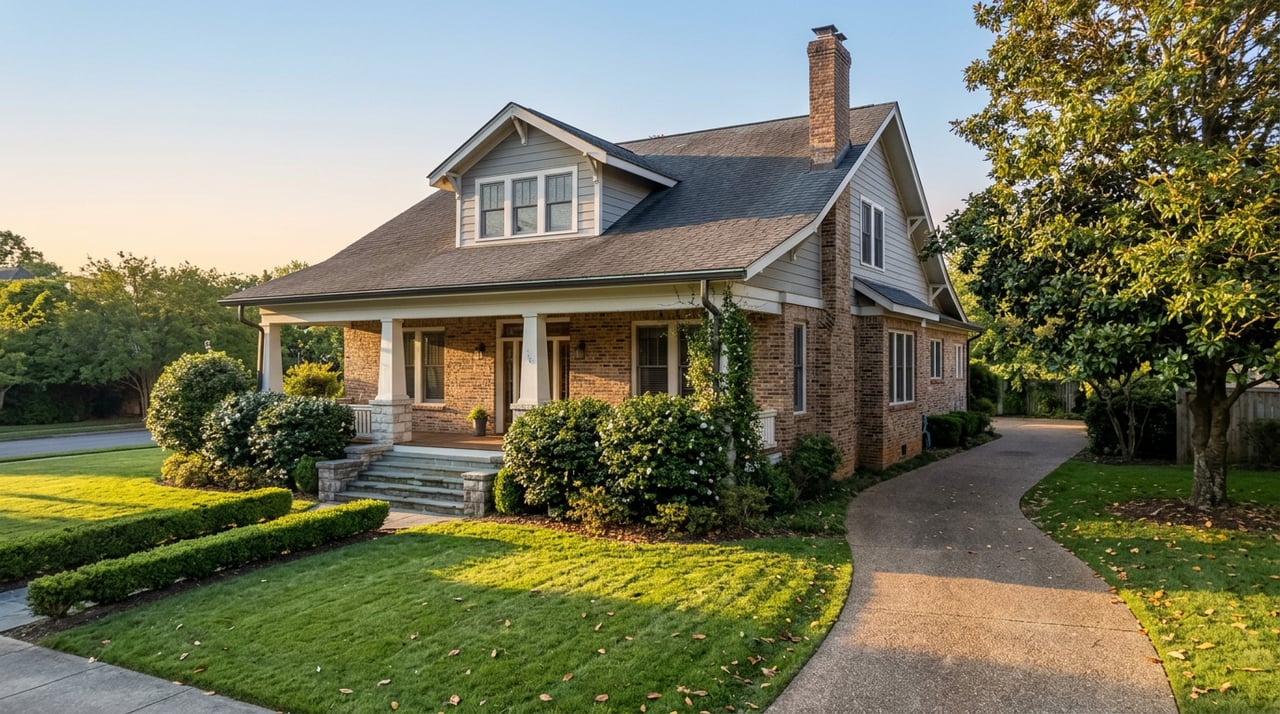

The real estate market in 2026 continues to evolve, shaped by shifting interest rates.

Downsizing has become one of the fastest-growing trends in real estate.

Real estate is always changing, and staying informed is key to making confident decisions.
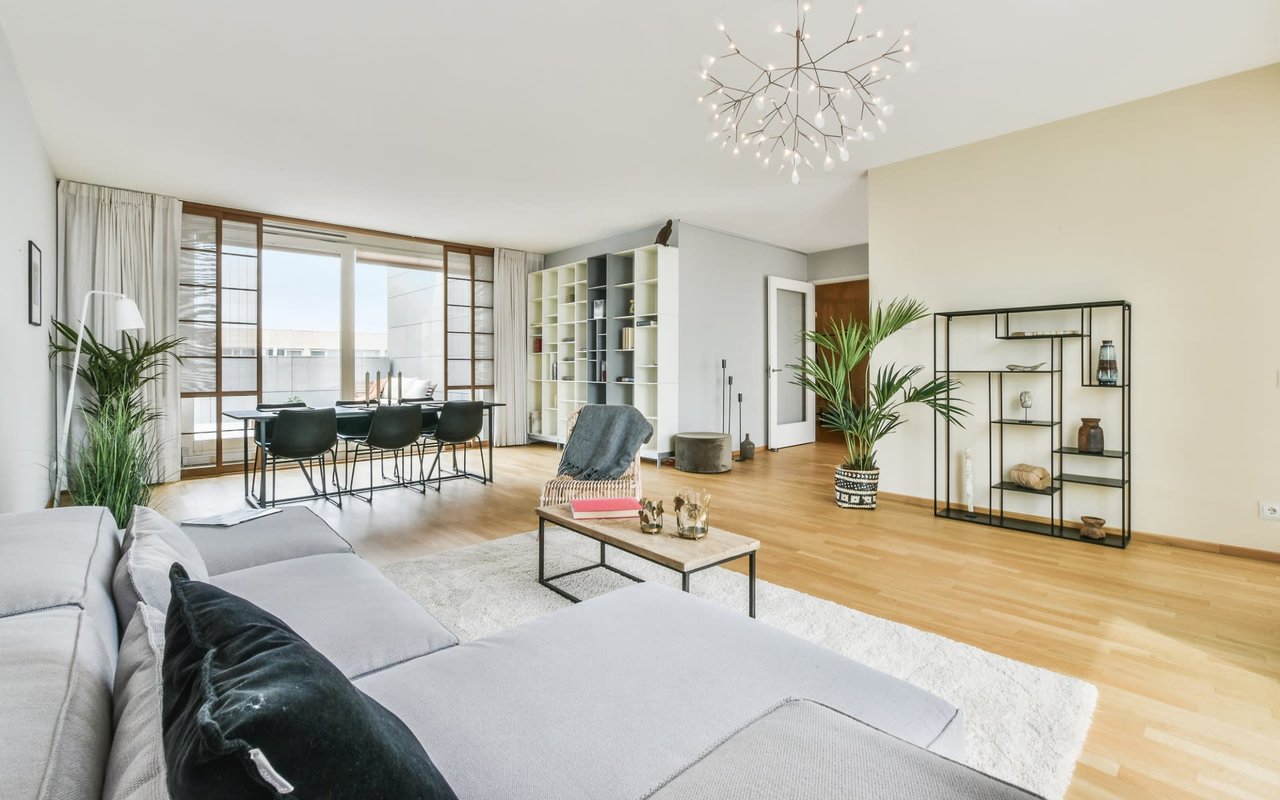
Have you ever wondered what it would be like to live like a celebrity?
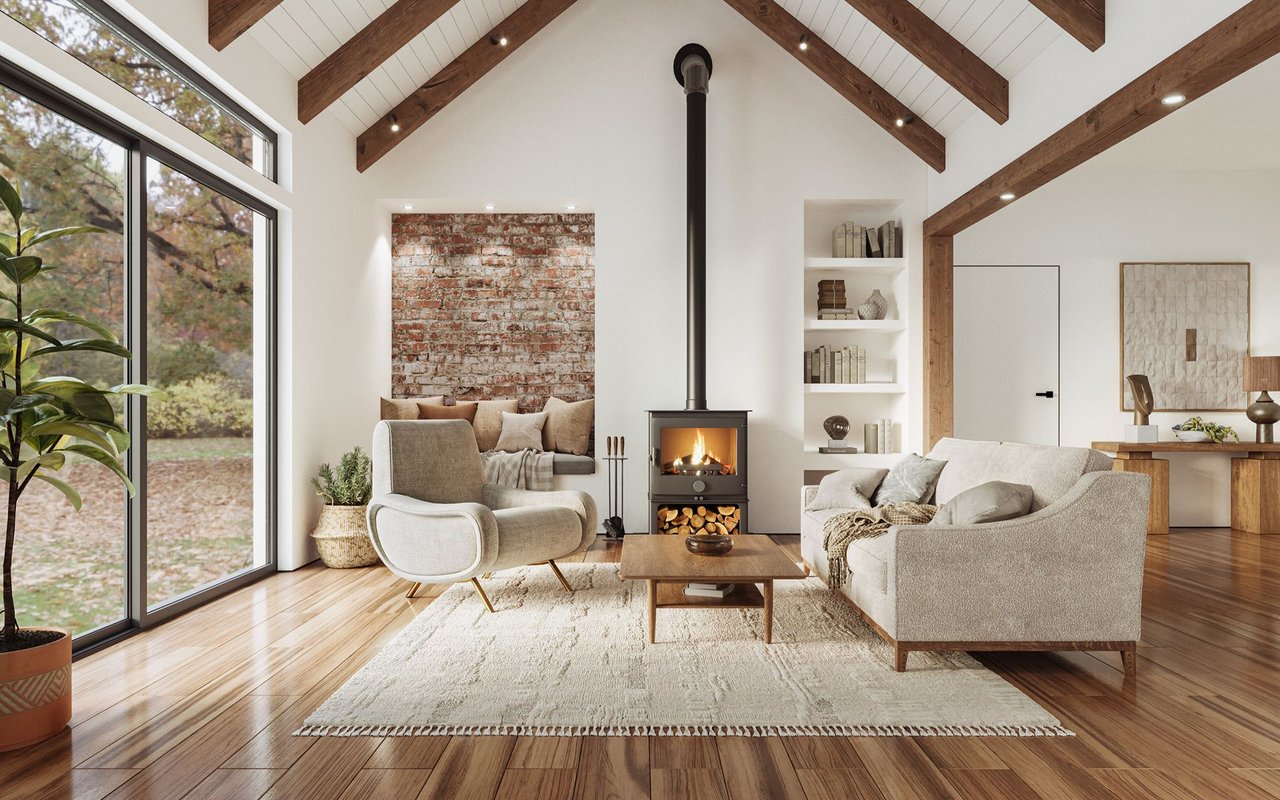
Few properties capture the imagination quite like luxury waterfront homes.
Her mission is simple: to provide outstanding service while helping clients make informed decisions and achieve their real estate dreams.