Essential HVAC Maintenance Tips for Homeowners Seasonal Checklist and Troubleshooting Guide
August 12, 2026
August 12, 2026
Your HVAC system is easy to ignore when it is working well. Then one unusually hot afternoon or freezing morning reminds you how much you rely on it. For many first-time homeowners, the heating and cooling system is one of the biggest, most expensive systems in the house, yet it often gets the least attention until something goes wrong.
The good news is that basic HVAC care is not complicated. A few steady habits can help your system run more efficiently, improve indoor comfort, reduce surprise repairs, and extend equipment life. This HVAC Maintenance Guide walks through the essentials, including filter changes, coil cleaning, refrigerant checks, seasonal tasks, simple troubleshooting, and the signs that it is time to call a professional.
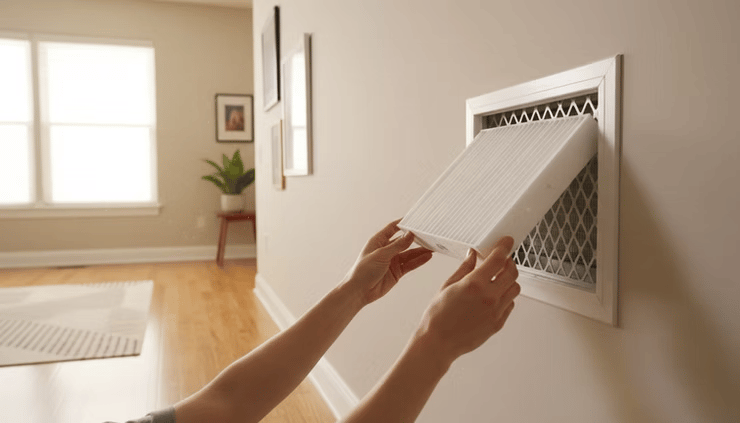
A clean filter is one of the easiest ways to protect your HVAC system.
HVAC maintenance is not just about preventing breakdowns. It affects comfort, air quality, energy use, and the overall health of your home.
A neglected system has to work harder. A dirty filter restricts airflow. Dusty coils cannot transfer heat well. Low refrigerant can strain your air conditioner or heat pump. Over time, those small issues can turn into higher utility bills, uneven temperatures, and worn-out parts.
Regular maintenance helps with:
Clean filters and clear vents help conditioned air move through the home more evenly.
A system that does not struggle to breathe or transfer heat usually runs more efficiently.
Small problems are easier and cheaper to fix before they damage major components.
HVAC systems are built to last, but dirt, poor airflow, and neglected parts shorten that life.
Maintenance helps reduce hot and cold spots, musty smells, and humidity problems.
For newly purchased homes, maintenance is also a way to learn the system. Find the air filter location, locate the outdoor unit, check the thermostat settings, and look for service stickers or paperwork from prior tune-ups. These small steps make future care much easier.
The air filter is the first maintenance item every homeowner should understand. It protects the HVAC equipment from dust and debris while helping capture particles moving through the return air.
Most homes need a filter change every 1 to 3 months, but the right schedule depends on the home. A filter may need attention more often if there are pets, recent renovations, wildfire smoke, heavy pollen, or frequent system use.
Start by turning off the system at the thermostat. Find the filter, which is usually in a return air grille, furnace cabinet, or air handler. Slide it out and look at the surface.
If it looks gray, dusty, clogged, or matted, replace it. Make sure the new filter matches the printed size on the old one. Install it with the airflow arrow pointing toward the system, not toward the room.
Higher-rated filters can capture smaller particles, but they can also reduce airflow in some systems. If you are unsure what filter type is best, ask an HVAC technician during your next service visit.
Your HVAC system works by moving heat. Coils are central to that process. The indoor evaporator coil absorbs heat when cooling, while the outdoor condenser coil releases heat outside. Heat pumps use similar components for both heating and cooling.
When coils get coated with dust, pollen, grass clippings, pet hair, or debris, the system loses efficiency. It may run longer, cool poorly, freeze up, or overheat.
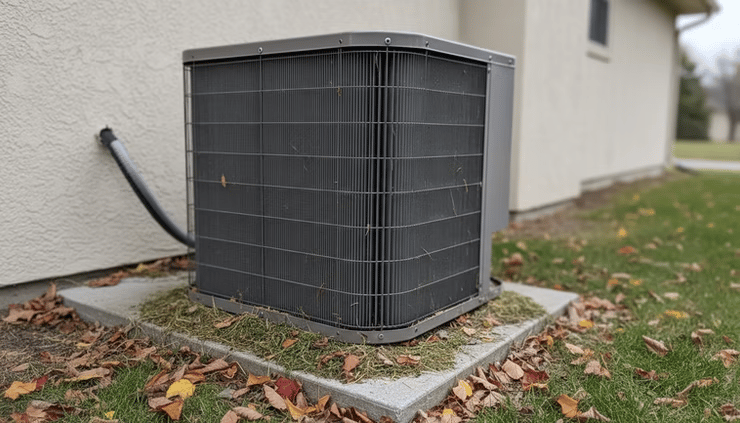
Outdoor units need clear space and clean coils to work well.
The outdoor unit is usually the easiest place to start. Turn off power to the unit at the disconnect box or breaker before cleaning around it.
Then:
Indoor coils are harder to access and easier to damage. If the indoor coil looks dirty, smells musty, or appears to be freezing, schedule service rather than taking the system apart.
Air conditioners and heat pumps remove moisture from indoor air. That moisture drains through a condensate line. If the line clogs, water can back up and cause leaks, stains, odors, or system shutoffs.
Look near the indoor unit for a drain pan, PVC drain line, or signs of moisture. If you see standing water, algae buildup, or repeated leaks, call a professional. Some homeowners use drain pan tablets or routine drain cleaning, but the safest choice depends on the system layout.
Refrigerant is the fluid that allows an air conditioner or heat pump to move heat. It flows through a sealed system. Under normal conditions, refrigerant should not get used up the way fuel does.
That means low refrigerant usually points to a leak, an installation issue, or a previous improper charge. Adding more refrigerant without fixing the cause is only a temporary patch.
Signs of possible refrigerant trouble include:
Refrigerant work is not a DIY job. It requires proper tools, training, and handling. If refrigerant levels need to be checked, call a licensed HVAC professional. They can test system pressures, look for leaks, repair the problem, and charge the system correctly.
A seasonal routine keeps maintenance from becoming a last-minute scramble. The exact timing depends on your climate, but most U.S. homes benefit from a spring cooling check and a fall heating check.
Season | Homeowner tasks | Professional service to consider |
|---|---|---|
Spring | Replace or check the air filter. Clear debris from the outdoor unit. Test cooling before the first hot week. Check thermostat settings. | Schedule an air conditioning or heat pump tune-up. Ask for coil inspection, electrical checks, refrigerant evaluation, and drain line review. |
Summer | Check the filter monthly during heavy use. Keep supply and return vents open. Watch for water near the indoor unit. Keep plants away from the outdoor unit. | Call for service if cooling is weak, the system short cycles, or ice appears on refrigerant lines. |
Fall | Replace or check the filter. Test the heat before cold weather arrives. Make sure registers are not blocked by furniture or rugs. Check carbon monoxide detectors if you have gas appliances. | Schedule a furnace, boiler, or heat pump tune-up. Ask for burner, heat exchanger, ignition, electrical, and safety checks where applicable. |
Winter | Keep outdoor heat pump units clear of snow and ice. Replace filters as needed. Listen for unusual noises. Watch for uneven heating. | Call for help if the system will not heat, smells like burning after the first cycle for more than a short time, or trips breakers. |
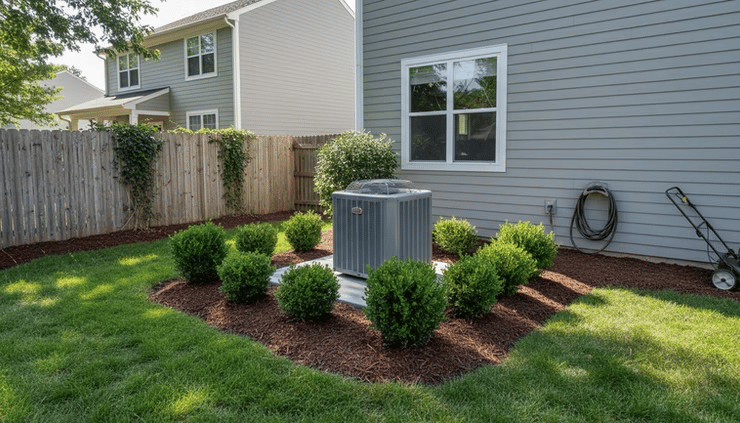
A little outdoor cleanup can prevent airflow problems.
Before cooling season, focus on airflow and heat transfer. Replace the filter, clean the outdoor area, and run the air conditioner before temperatures climb. Let it operate for at least 10 to 15 minutes, then check whether cool air comes from the vents.
If the AC runs but the air is not cool, do not ignore it. The problem could be a thermostat setting, dirty coil, low refrigerant, failing capacitor, or another issue.
During summer, heavy use means filters clog faster. A monthly filter check is a simple way to protect the system during peak demand.
Before heating season, test the heat on a mild day. Some dust smell is common when a furnace starts for the first time in the season, but it should fade quickly. Persistent burning smells, gas odors, or smoke need immediate attention.
If you have a gas furnace, safety checks matter. A technician can inspect burners, venting, ignition, and the heat exchanger. If you have a heat pump, the technician can check defrost operation, electrical components, airflow, and refrigerant performance.
Some HVAC issues have simple causes. Before calling for service, a quick check may save time and stress. Keep safety first. If something smells like gas, sparks, smokes, leaks heavily, or trips electrical components repeatedly, stop troubleshooting and call for help.
Start with the basics.
Check the thermostat. Make sure it is set to heat or cool, the temperature setting is correct, and the batteries are fresh if it uses them.
Next, check the circuit breaker. If it has tripped once, reset it. If it trips again, do not keep resetting it. Repeated breaker trips can point to an electrical problem.
Also check the furnace switch or outdoor disconnect. Many indoor units have a wall switch nearby that looks like a light switch. It can get turned off by accident.
Poor performance often comes back to airflow.
Check the filter first. Then make sure supply vents are open and return vents are not blocked. Look at the outdoor unit. If it is packed with leaves or grass, clear the area after shutting off power.
If airflow seems normal but the air temperature is wrong, the problem may be more technical. Low refrigerant, dirty coils, a failing blower motor, or a malfunctioning valve can all affect comfort.
Short cycling means the system starts and stops frequently. It can happen because of a clogged filter, thermostat placement, oversized equipment, low refrigerant, frozen coils, or electrical issues.
Replace the filter if it is dirty and check that vents are open. If short cycling continues, schedule service. Repeated cycling adds wear to motors, controls, and compressors.
Uneven temperatures are common, especially in two-story homes or homes with additions.
Try these steps:
If one room stays uncomfortable, the cause may be duct design, insulation gaps, air leaks, or equipment sizing. A professional can measure airflow and recommend the right fix.
Every HVAC system makes some sound, but new or loud noises deserve attention.
Turn the system off if the noise is loud, sudden, or paired with poor performance.
DIY maintenance is great for filters, basic cleaning, thermostat checks, and keeping vents clear. Some work belongs to trained technicians.
Gas-related concerns need immediate action. If you smell gas, leave the home and contact the gas utility or emergency services from a safe location.
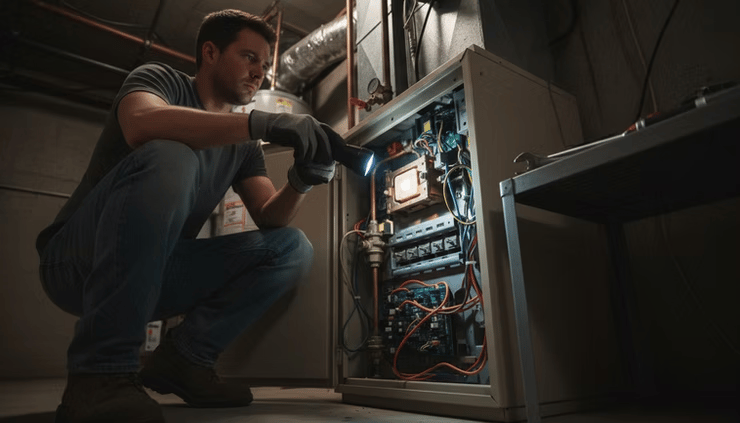
Some HVAC problems require trained eyes and proper tools.
The best maintenance plan is one you can actually follow. Build HVAC care into regular home routines.
Try these habits:
Small changes in performance are often early warnings. A system that suddenly runs longer, smells musty, cools unevenly, or sounds different is asking for attention.
HVAC maintenance does not have to be intimidating. Start with the tasks that give the biggest return: change filters on schedule, keep coils and outdoor units clean, watch for drainage issues, and schedule professional service before extreme weather arrives.
A well-maintained HVAC system keeps the home more comfortable and gives fewer surprises. For a new homeowner, that peace of mind is worth the effort. Pick one task today, such as checking the filter or clearing around the outdoor unit, and put the next seasonal reminder on your calendar.



The real estate market in 2026 continues to evolve, shaped by shifting interest rates.

Downsizing has become one of the fastest-growing trends in real estate.

Real estate is always changing, and staying informed is key to making confident decisions.

Have you ever wondered what it would be like to live like a celebrity?

Few properties capture the imagination quite like luxury waterfront homes.
Her mission is simple: to provide outstanding service while helping clients make informed decisions and achieve their real estate dreams.