Home Pricing Mistakes Sellers Make and How to Price Your Home Right
August 21, 2026
August 21, 2026
Price your home wrong, and the market will tell you fast. Too high, and buyers skip it. Too low, and you may leave money behind. The right price helps your home get attention, showings, and serious offers.
Here are the biggest home pricing mistakes sellers make, plus practical ways to avoid them.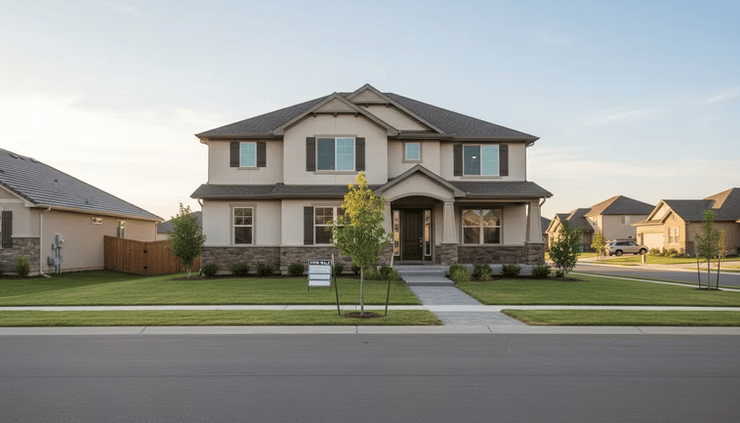
A strong price starts with a clear view of the home and the market.
Overpricing is the most common mistake. Many sellers start high because they want room to negotiate. That can backfire.
Buyers compare homes quickly. If your price sits above similar homes, they may not schedule a showing. They may assume the seller is unrealistic. The listing can sit.
A stale listing creates another problem. Buyers start asking, “What’s wrong with it?” Even if the home is in great shape, days on market can weaken your position.
Overpricing can also lead to price cuts. One price cut is normal in some markets. Several cuts can make buyers think they have the upper hand.
Common reasons sellers overprice include:
Active listings show your competition. Sold homes show what buyers actually paid. That difference matters.
Underpricing can work in some cases. A lower list price may bring more attention and multiple offers in a hot market. But it is not a safe strategy everywhere.
If demand is soft, an underpriced home may sell near the low list price. That means money stays on the table. Buyers may also wonder why the price is low. They may suspect repairs, title issues, or a difficult sale.
Underpricing is risky when:
A low price should be a strategy, not a guess. If the goal is to create competition, the market must be strong enough to support it.
Guessing at the price can lead to missed money or missed buyers.
The market changes. A price that made sense three months ago may not work today.
Interest rates, inventory, seasonality, and local job growth can all affect buyer behavior. When rates rise, some buyers can afford less. When inventory grows, buyers have more choices. When homes sell fast, sellers may have more room to price firmly.
Watch these local signals before setting a price:
Market signal | What it tells you |
|---|---|
Days on market | How quickly buyers are acting |
Sale-to-list price ratio | Whether homes sell above, at, or below asking |
Price cuts nearby | Whether sellers are adjusting expectations |
Number of similar homes for sale | How much competition you face |
Recent pending sales | What buyers are choosing right now |
Do not price your home based on national headlines. A national report may say prices are rising, while your neighborhood may be cooling. Or the opposite may be true.
Local market conditions carry more weight than broad trends.
A good price starts with real comparisons. The best comps are homes that are close in location, size, condition, age, and style. They should also have sold recently.
Look for homes with similar features, such as:
Also adjust for condition. A renovated kitchen can help value, but not every upgrade pays back dollar for dollar. Buyers care about the full package.
Online estimates can be useful as a starting point. Do not rely on them as the final answer. Automated tools may miss details like views, layout, updates, noise, lot quality, or neighborhood boundaries.
A real pricing plan should include:
The right price is not always the highest price. It is the price that attracts qualified buyers and supports a strong offer.
Condition and presentation affect how buyers judge value.
A professional appraisal can help when pricing is hard. Appraisers look at recent sales, condition, location, and market data. They provide an independent opinion of value.
An appraisal can be useful if:
Keep in mind that an appraisal is one opinion at one point in time. It is helpful, but it should work with a full pricing strategy.
A local real estate professional can add context that raw data misses. For example, two homes may look the same online, but one backs to a busy road. One may have a better layout. One may be in a more sought-after pocket of the neighborhood.
That local detail affects what buyers will pay.
This content is for general information only. For pricing decisions tied to your finances, speak with a qualified real estate professional or appraiser.
Use this quick checklist before your home goes live.
Do | Do not |
Study recent sold homes near you | Base the price only on what you need to net |
Do | Do not |
Compare your home to current competition | Assume every upgrade adds full value |
Do | Do not |
Watch days on market and price cuts | Ignore buyer feedback after showings |
Do | Do not |
Get local pricing advice | Chase the market down with late cuts |
If showings are low during the first week or two, the price may need attention. If showings are strong but offers are weak, condition, terms, or buyer perception may be the issue.
Pricing is not set and forgotten. A smart seller watches the response and adjusts when the data says to act.
A little room can make sense, but too much can scare buyers away. Price close to market value. Then negotiate from a position of real interest.
They can be helpful, but they are not exact. They often miss condition, upgrades, views, lot quality, and local buyer demand.
No. Many sellers list without one. But an appraisal can help if the home is unique, hard to compare, or priced in a changing market.
Low showing activity, repeated buyer feedback about price, and nearby homes selling faster are warning signs. Price cuts by similar listings can also signal a shift.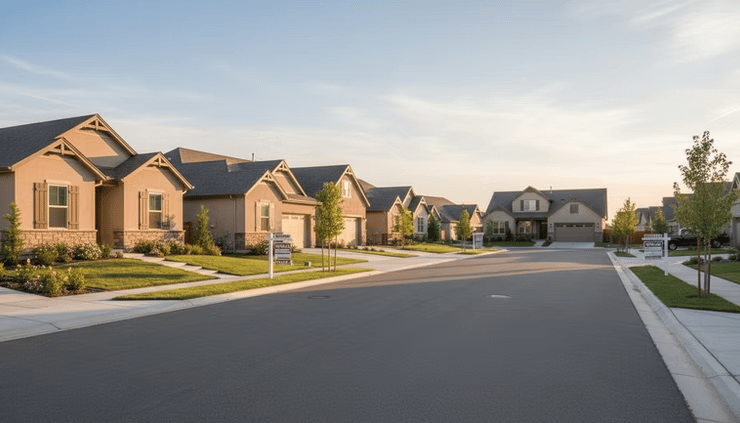
Nearby sales and competition shape the right asking price.
A strong price is based on facts, not wishful thinking. Look at recent sales. Study the competition. Pay attention to local market conditions. Get professional input when the numbers are not clear.
If you want help setting a smart asking price, contact Homes with Yolanda before you list. The right price can make the whole sale easier.

The real estate market in 2026 continues to evolve, shaped by shifting interest rates.

Downsizing has become one of the fastest-growing trends in real estate.

Real estate is always changing, and staying informed is key to making confident decisions.

Have you ever wondered what it would be like to live like a celebrity?

Few properties capture the imagination quite like luxury waterfront homes.
Her mission is simple: to provide outstanding service while helping clients make informed decisions and achieve their real estate dreams.