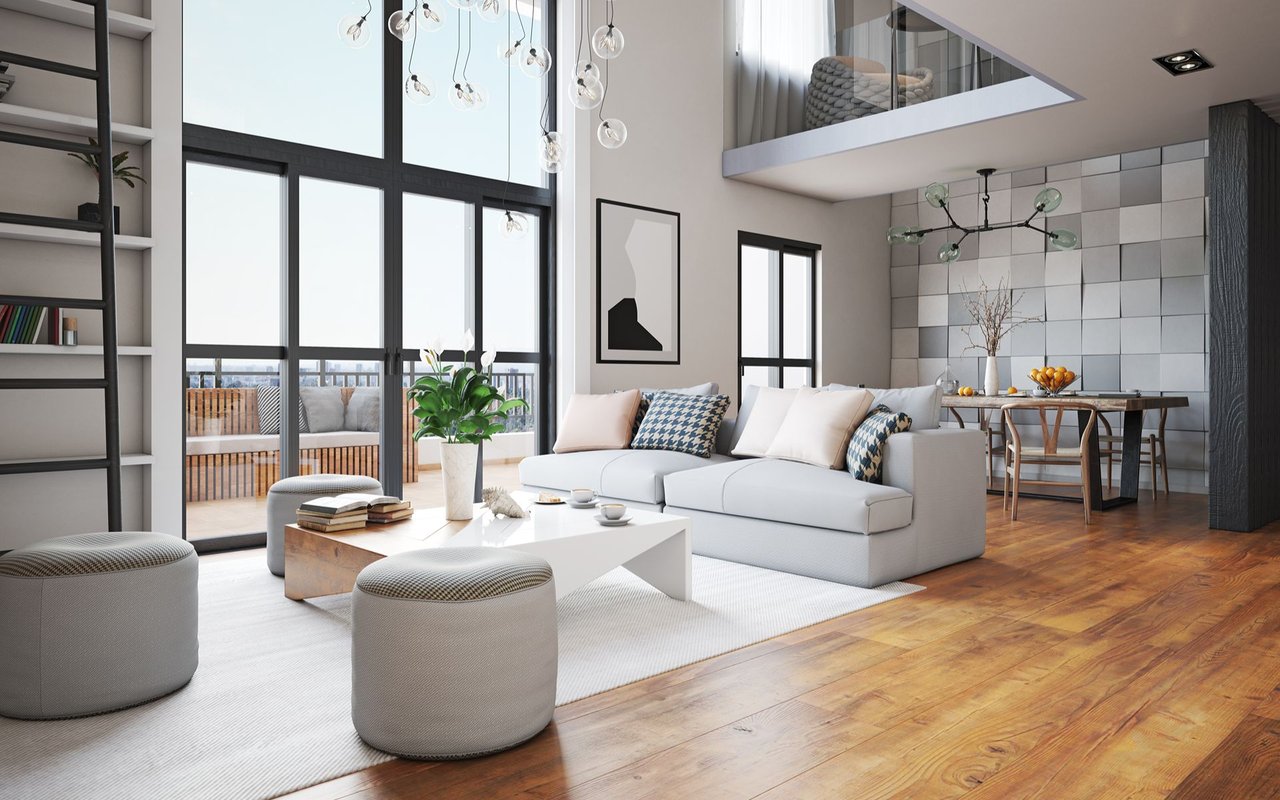
How to Choose the Perfect Neighborhood for Your Next Home
August 12, 2026
August 12, 2026
A great house can feel wrong in the wrong neighborhood. The streets, commute, schools, parks, noise, and nearby stores all shape daily life. Before making an offer, study the area as closely as the home itself.
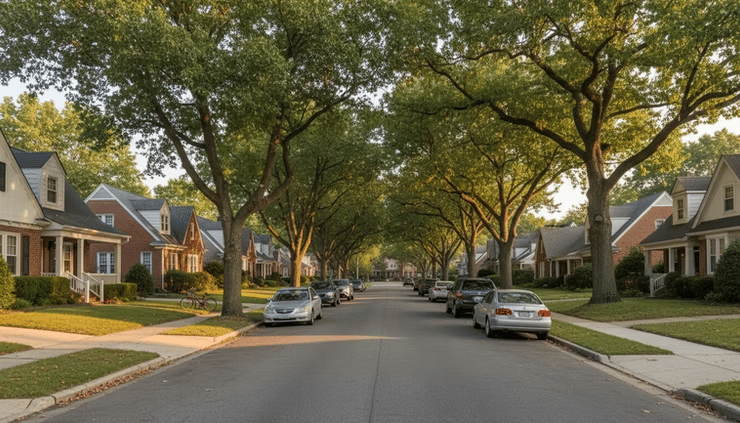
The right neighborhood should fit daily routines, not just look good on paper.
Start with routine. A neighborhood should support how life actually works Monday through Sunday.
Think through a normal week. How far is the drive to work? Where will groceries come from? Is there a pharmacy, gym, coffee shop, or park nearby? If children are part of the plan, how close are schools, childcare, sports fields, and libraries?
Make a short must-have list before touring homes. Keep it tight.
Test the route during rush hour, not only on a quiet weekend.
Look up school boundaries, ratings, programs, and transportation options.
Check the distance to grocery stores, medical care, banks, and pet services.
Look for parks, trails, playgrounds, or open areas that match your lifestyle.
A home ten minutes from everything can save hours each week. A home that needs a long drive for every errand can become frustrating fast.
Safety is one of the biggest factors when choosing a place to live. Look beyond rumors. Use public data, local police department resources, and city or county crime maps when available.
Pay attention to patterns instead of one isolated incident. Look at the type of crime, where it happens, and how often. Property crime, traffic issues, and violent crime affect a neighborhood in different ways.
Data helps, but it does not tell the whole story. Visit the area at different times. Walk around if it is safe to do so. Notice lighting, traffic speed, sidewalks, crosswalks, and how well properties are maintained.
A few useful questions:
Also check local news sources for recurring issues. One news story may not define a neighborhood. Repeated reports can show a trend.
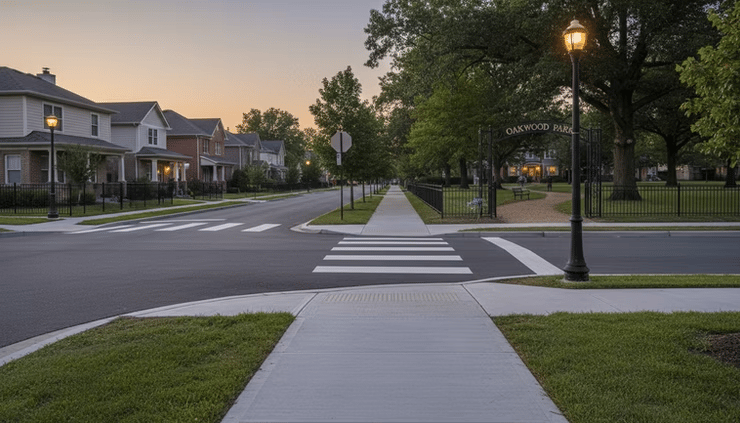
Sidewalks, lighting, and traffic patterns matter for comfort and safety.
A neighborhood has a rhythm. Some areas are quiet after dinner. Others have restaurants, music, and late-night foot traffic. Neither is right for everyone. The goal is fit.
Spend time there without rushing. Get coffee nearby. Walk a few blocks. Sit in a park. Drive through on a weekday morning, a weekend afternoon, and after dark.
Look for signs of daily life:
Talking to people can help. Ask simple, respectful questions. “What do you like about living here?” and “What would you change?” often lead to honest answers.
Online neighborhood groups can also show common concerns. Watch for repeated topics like parking, noise, road construction, school changes, or drainage problems. Keep in mind that online comments can skew negative. Use them as one input, not the final answer.
Transportation affects cost, time, and stress. Even if driving is the main plan, it helps to know the other options.
Check access to major roads and highways. Then test the commute during the hours that matter. A 20-minute drive at noon can become 45 minutes at 8 a.m.
If public transportation matters, map the nearest bus stop, train station, or subway line. Check frequency, weekend service, and last departure times. A stop nearby is less useful if service is rare.
For walkability, look at the actual route. A store may be half a mile away, but the walk may include missing sidewalks, fast traffic, or poor lighting.
For biking, check bike lanes, road shoulders, and secure storage options. In some areas, a bike-friendly route can make a second car less necessary.
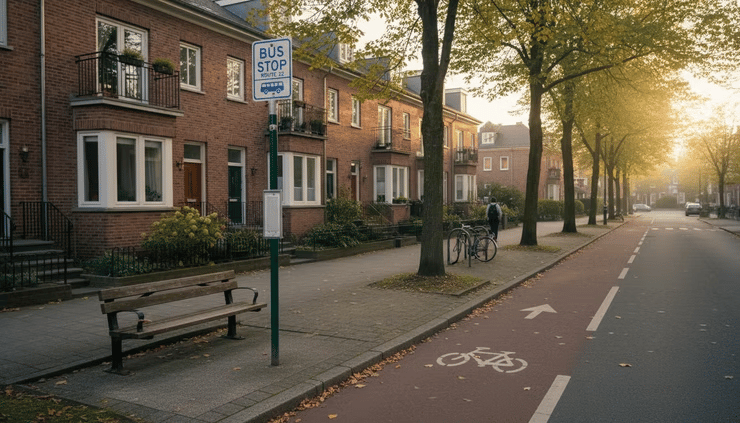
Good transportation choices can make a neighborhood easier to live in.
A neighborhood can change quickly. New roads, apartment buildings, retail centers, parks, and school projects can affect traffic, noise, home values, and quality of life.
Check city or county planning websites for zoning maps, meeting notes, and proposed projects. Search for terms like planning commission, zoning board, capital improvement plan, and transportation projects.
Focus on nearby changes, not only large regional plans. A new grocery store may be a plus. A major road widening project behind the house may not be. New housing can bring more services, but it can also increase traffic.
Ask these questions:
If the home is in a homeowners association, review the rules and meeting minutes. They may reveal planned repairs, fee changes, rental limits, and community concerns.
Online research saves time, but it cannot replace being there. Use both.
Start with maps. Check distance to work, schools, hospitals, parks, and stores. Use street view to scan the area. Review flood maps, property records, and local government pages when relevant.
Then create a visit plan. See the neighborhood at different times.
Bring a checklist. Take notes right after each visit. Neighborhoods can blur together after several tours.
Visit time | What to watch for |
|---|---|
Weekday morning | Commute traffic, school drop-off, noise |
Weekday evening | Parking, lighting, activity after work |
Weekend afternoon | Parks, shops, events, street activity |
Late evening | Noise, comfort level, traffic patterns |
Do not judge by one perfect block. Drive the surrounding streets. Check the nearest commercial areas. Look at the routes you would use every day.
Good research makes it easier to compare neighborhoods clearly.
The best neighborhood is the one that fits daily needs, budget, and long-term plans. Compare facts, then trust what repeated visits show. Look at safety, commute, schools, amenities, community feel, transportation, and future development together.
If you want help weighing locations before you buy, contact Homes with Yolanda for local guidance and a clear next step.
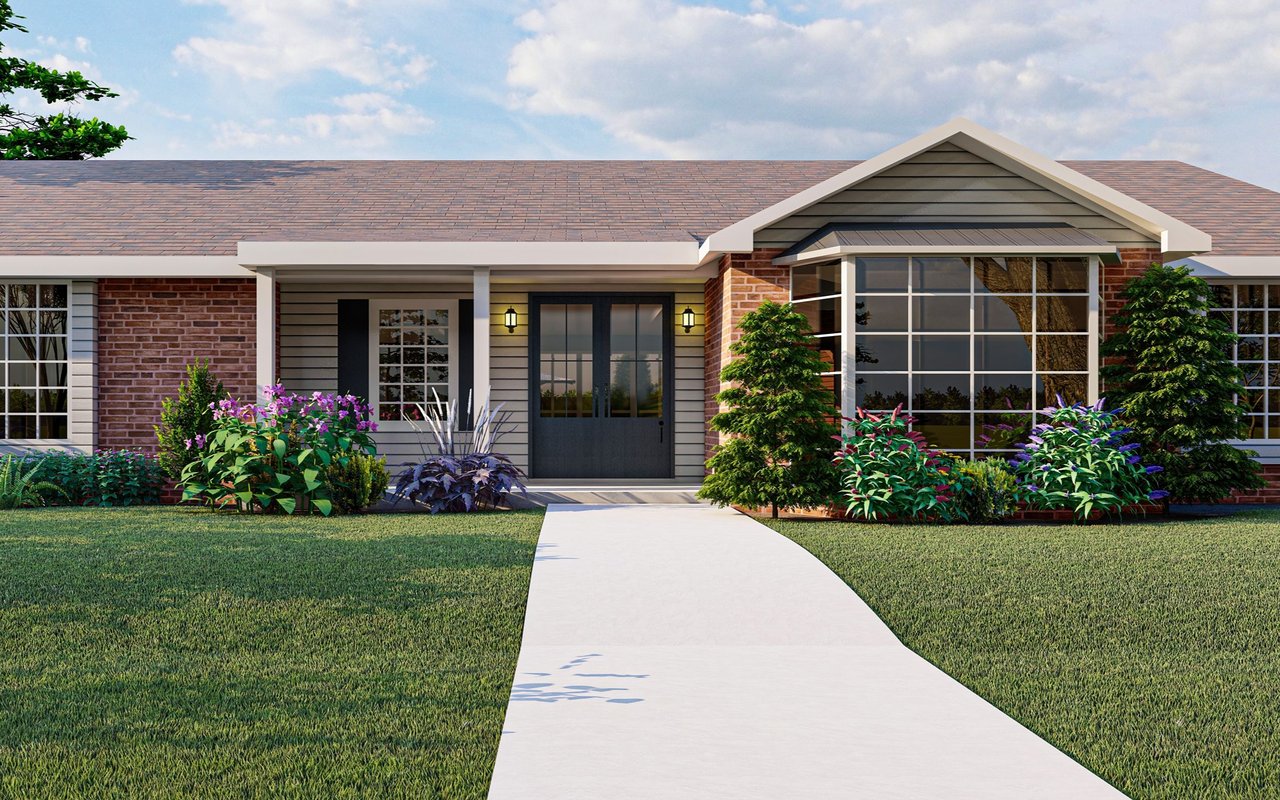
Choose the area before falling in love with the house. The right neighborhood will make the home feel better every day.
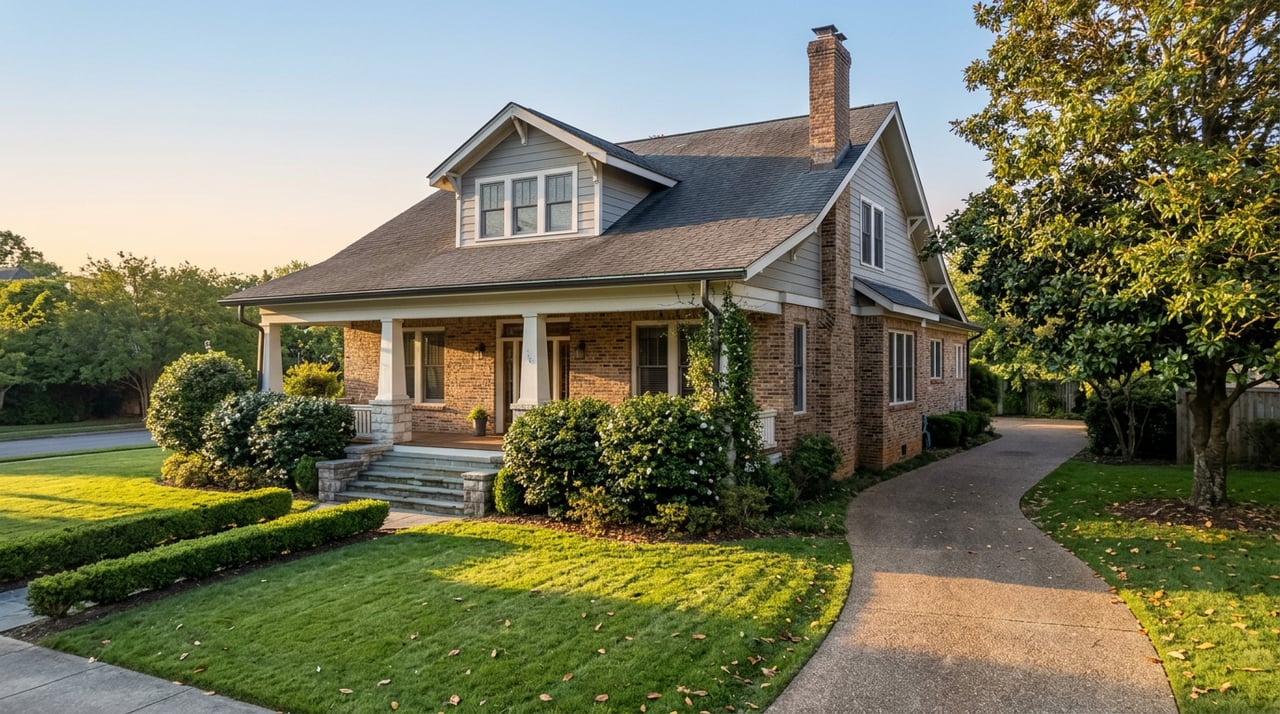

The real estate market in 2026 continues to evolve, shaped by shifting interest rates.
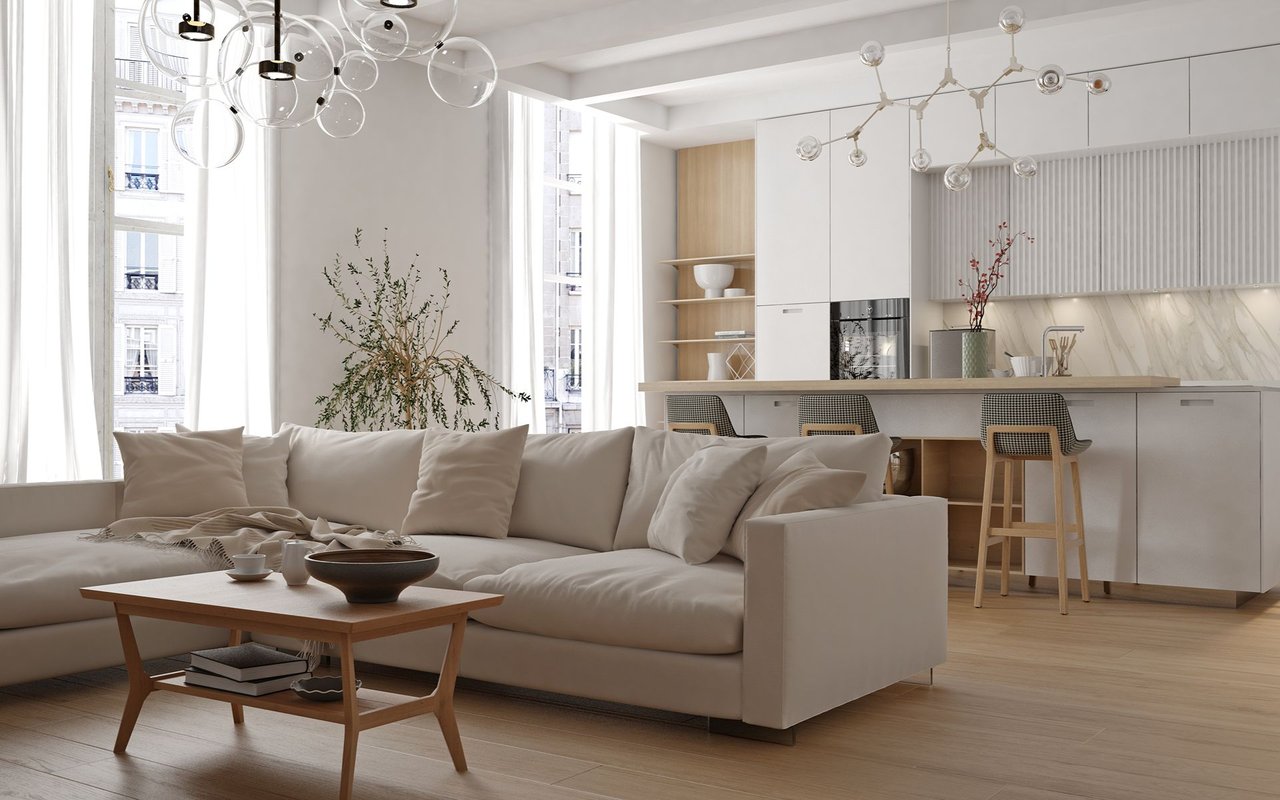
Downsizing has become one of the fastest-growing trends in real estate.

Real estate is always changing, and staying informed is key to making confident decisions.
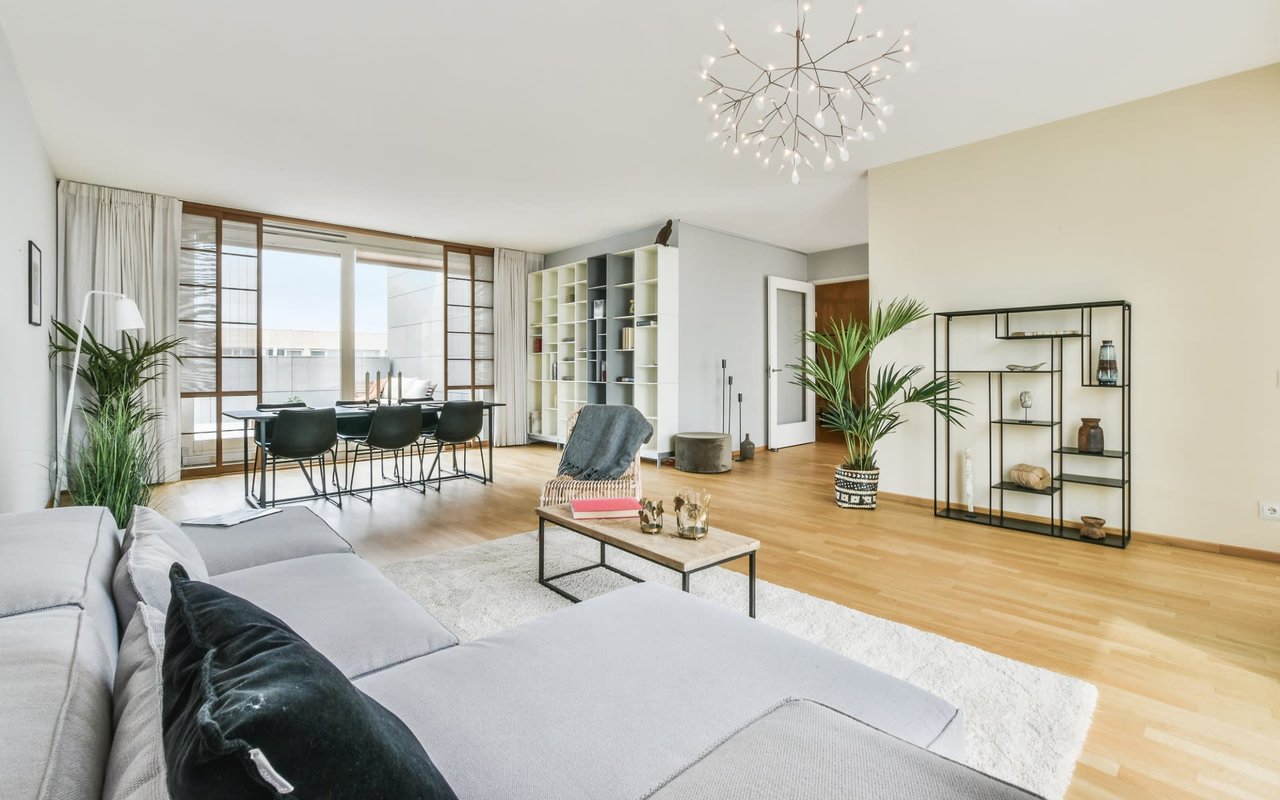
Have you ever wondered what it would be like to live like a celebrity?
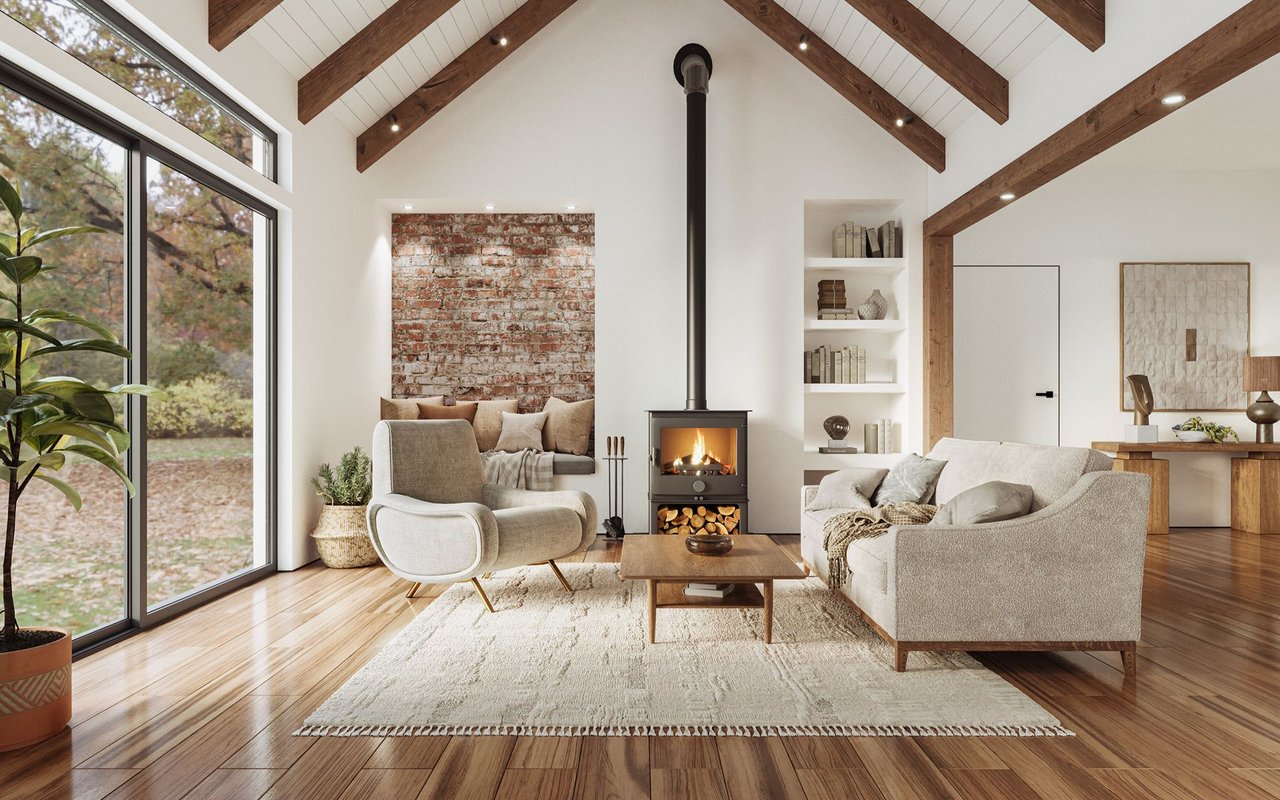
Few properties capture the imagination quite like luxury waterfront homes.
Her mission is simple: to provide outstanding service while helping clients make informed decisions and achieve their real estate dreams.