
Real Estate Closing Guide What Buyers and Sellers Need to Know
August 12, 2026
August 12, 2026
Closing is the finish line of a real estate transaction. It is also where small mistakes can cause delays. A missing document, wire issue, or last-minute loan question can slow everything down.
This guide explains what happens, who is involved, and how buyers and sellers can prepare. This is general information, not legal or financial advice. Rules can vary by state and transaction.
Closing day is when the home officially changes hands.
Closing is the final step in buying or selling a home. At closing, the buyer signs loan and ownership documents. The seller signs transfer documents. Funds are collected and paid out. The deed is recorded with the county or local recording office.
Once the transaction is complete, ownership transfers from the seller to the buyer. In many states, the buyer gets the keys after recording or after the closing agent confirms that funds have cleared.
A typical closing includes:
The exact process depends on state law, loan type, and the contract.
For buyers using a loan, the lender must finish underwriting before closing. This includes checking credit, income, assets, appraisal, insurance, and title details.
The lender will issue final loan documents when everything is approved. Buyers also receive a Closing Disclosure for most mortgage purchases. This document lists the final loan terms, monthly payment, closing costs, and cash needed to close. Federal rules usually require buyers to receive it at least three business days before closing.
Buyers should review it carefully. Compare it with the earlier Loan Estimate. Ask about any fee or payment that looks wrong.
The title company or closing attorney searches public records to confirm the seller has the right to transfer the property. They also look for liens, unpaid taxes, judgments, easements, and other title issues.
If a problem appears, it must often be fixed before closing. For example, an old mortgage lien may need a release. Unpaid property taxes may need to be paid from the seller’s proceeds.
Title insurance is usually part of the process. A lender’s title policy protects the lender. An owner’s title policy protects the buyer’s ownership interest, subject to the policy terms.
The buyer usually does a final walkthrough shortly before closing. This is not a full inspection. It is a check to confirm the home is in the agreed condition.
The buyer should confirm:
If something is wrong, tell the real estate agent right away. Some issues can be fixed before closing. Others may require a written agreement, credit, or escrow holdback if allowed.
A final walkthrough helps confirm the property condition before closing.
Closing involves a stack of documents. Buyers with a mortgage sign more paperwork than cash buyers. Sellers sign fewer documents, but each one still matters.
Common buyer documents include:
Common seller documents include:
Read names, property address, loan terms, and dollar amounts carefully. Ask questions before signing. Once signed and funded, changes become harder.
The buyer must bring the correct funds to closing. This is usually done by wire transfer or cashier’s check, depending on the closing agent’s rules.
Wire fraud is a serious risk in real estate. Buyers should verify wiring instructions directly with the closing agent using a trusted phone number. Do not rely only on emailed instructions, especially if they change at the last minute.
The closing agent collects funds from the buyer and lender. Then they pay the seller, existing mortgage payoff, taxes, commissions, title fees, recording fees, and other approved costs.
The deed transfers ownership. After the seller signs the deed, the closing agent sends it for recording with the county or local recording office.
Recording creates the public record of the new ownership. The buyer typically receives possession based on the contract terms. In many transactions, that happens on closing day. In others, possession may occur later through a temporary occupancy agreement.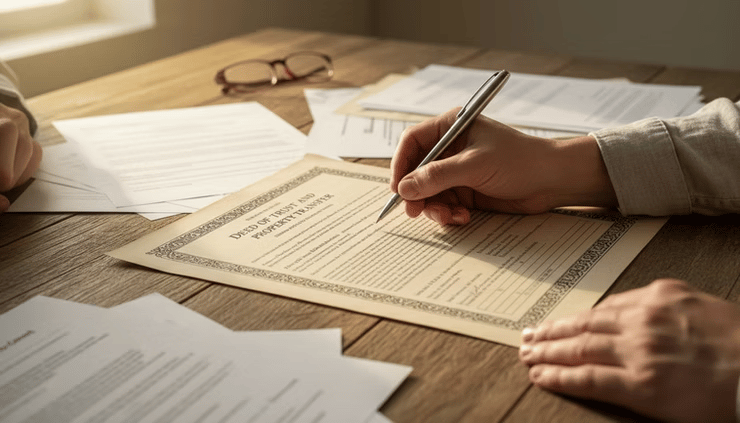
Signing the deed is a key step in transferring ownership.
The closing agent keeps the transaction organized. This role may be handled by a title company, escrow company, settlement agent, or real estate attorney, depending on the state.The closing agent often handles:
A strong closing agent helps prevent confusion. They track deadlines, confirm numbers, and explain what is needed. They do not replace legal or tax advice, but they are central to a smooth closing.
Buyers should stay available during the final week. Lenders may ask for updated documents before issuing final approval.
Do these before closing:
The biggest buyer mistake is making a financial change before closing. A new car loan or large credit card purchase can affect loan approval.
Sellers should focus on access, condition, and documents.
Sellers should also leave the property clean unless the contract says something else. A messy move-out can create conflict at the final walkthrough.
Common closing pitfalls to avoid
Many closing delays come from preventable issues.
Watch for these problems:
Legal names must match IDs and documents.
Treat changes as suspicious until verified by phone.
Finish repairs early and keep written proof.
Bring a current government-issued photo ID.
Respond to lender requests fast.
Old liens, unpaid taxes, or estate issues can take time to clear.
Do not assume closing is complete until the closing agent confirms it.
Good communication helps. So does checking details before the final day.
Use this quick checklist before heading to closing.
Buyers | Sellers |
|---|---|
Review final loan terms | Confirm payoff information |
Bring photo ID | Bring photo ID |
Verify funds needed | Confirm proceeds delivery |
Complete final walkthrough | Remove personal property |
Confirm wire instructions | Leave keys and access items |
Avoid new debt | Complete agreed repairs |
How long does closing take?
The signing appointment may take less than an hour for sellers and longer for buyers with a mortgage. The full closing is not complete until documents are accepted and funds are cleared.
Yes. Common causes include loan issues, missing documents, title problems, appraisal concerns, repair disputes, and wire transfer delays.
The contract controls this. In many cases, keys are released after funding and recording. Some agreements allow possession at a different time.
This depends on local custom, state rules, and the purchase contract. In some areas the buyer chooses. In others, the seller or both parties may have input.
A smooth closing makes moving day easier.
Closing works best when everyone prepares early. Buyers should protect loan approval, review costs, and verify funds. Sellers should finish repairs, clear the home, and confirm payoff details. The closing agent ties the process together and helps make the transfer official.
If you have questions about an upcoming purchase or sale, contact Homes with Yolanda for help planning your next steps.





The real estate market in 2026 continues to evolve, shaped by shifting interest rates.

Downsizing has become one of the fastest-growing trends in real estate.

Real estate is always changing, and staying informed is key to making confident decisions.

Have you ever wondered what it would be like to live like a celebrity?

Few properties capture the imagination quite like luxury waterfront homes.
Her mission is simple: to provide outstanding service while helping clients make informed decisions and achieve their real estate dreams.