Should You Renovate Before Selling Your Home for the Best Return
August 21, 2026
August 21, 2026
Renovating before selling can raise your sale price. It can also drain cash, delay your listing, and create stress. The right answer depends on the home, the market, and the type of work.
The goal is not to make the house perfect. The goal is to make smart updates that help buyers say yes.
Clean, neutral spaces help buyers focus on the home instead of repairs.
A renovation makes sense when it solves a buyer objection or improves the first impression enough to support a stronger offer.
Buyers often react fast. Worn flooring, dated fixtures, old paint, and damaged cabinets can make a home feel neglected. Even if the structure is sound, buyers may assume the home needs more work than it does.
That can lead to:
By contrast, clean and current finishes can make the home easier to picture as move-in ready.
Still, not every renovation pays off. A major project can cost more than it adds to the sale price. If the work takes months, the market can shift before the home lists.
The best pre-sale renovations are usually targeted, visible, and not overly personal.
Pros | Cons |
|---|---|
Can attract more buyers. | Can cost more than expected. |
Can improve online photos. | Can delay the sale. |
Can reduce buyer worries about repairs. | Can create permit or contractor issues. |
Can help the home compete with similar listings. | Can miss the mark if finishes do not match buyer taste. |
Can support a higher asking price when done well. | Can fail to return the full cost at closing. |
Return on investment matters. If a bathroom update costs $12,000 and helps the home sell for $18,000 more, the gain is clear. If a kitchen remodel costs $60,000 and only raises the sale price by part of that amount, the return may not justify the time or risk.
Also look beyond the sale price. A smart renovation may help the home sell faster or avoid a price reduction. That has value too.
This article is general information, not financial advice. Local market conditions matter.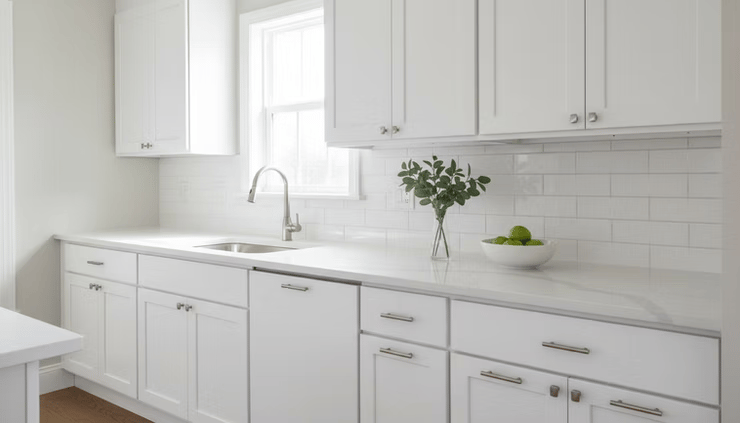
Small kitchen updates can make a dated space feel more current.
Focus on updates buyers notice right away. Avoid luxury choices that only fit one taste.
The kitchen is one of the first spaces buyers judge. A full remodel is not always needed.
Good pre-sale kitchen updates can include:
If the kitchen is functional, a light refresh may be better than a full gut renovation. Choose neutral finishes. Avoid bold colors, trendy tile, or high-end appliances that outprice the neighborhood.
Bathrooms can make a home feel clean or tired. Buyers notice cracked tile, old caulk, stains, poor lighting, and worn vanities.
Useful bathroom upgrades include:
A full bathroom remodel may make sense if the room has water damage, poor layout, or very outdated finishes. If the bathroom is in decent shape, smaller updates may give a better return.
Fresh interior paint is one of the safest pre-sale updates. It makes the home feel cleaner and newer. Stick with warm neutrals or soft whites that work with the home’s light.
Flooring also matters. Replace stained carpet, repair damaged hardwood, and clean grout. Buyers often overestimate flooring costs, so visible damage can hurt offers.
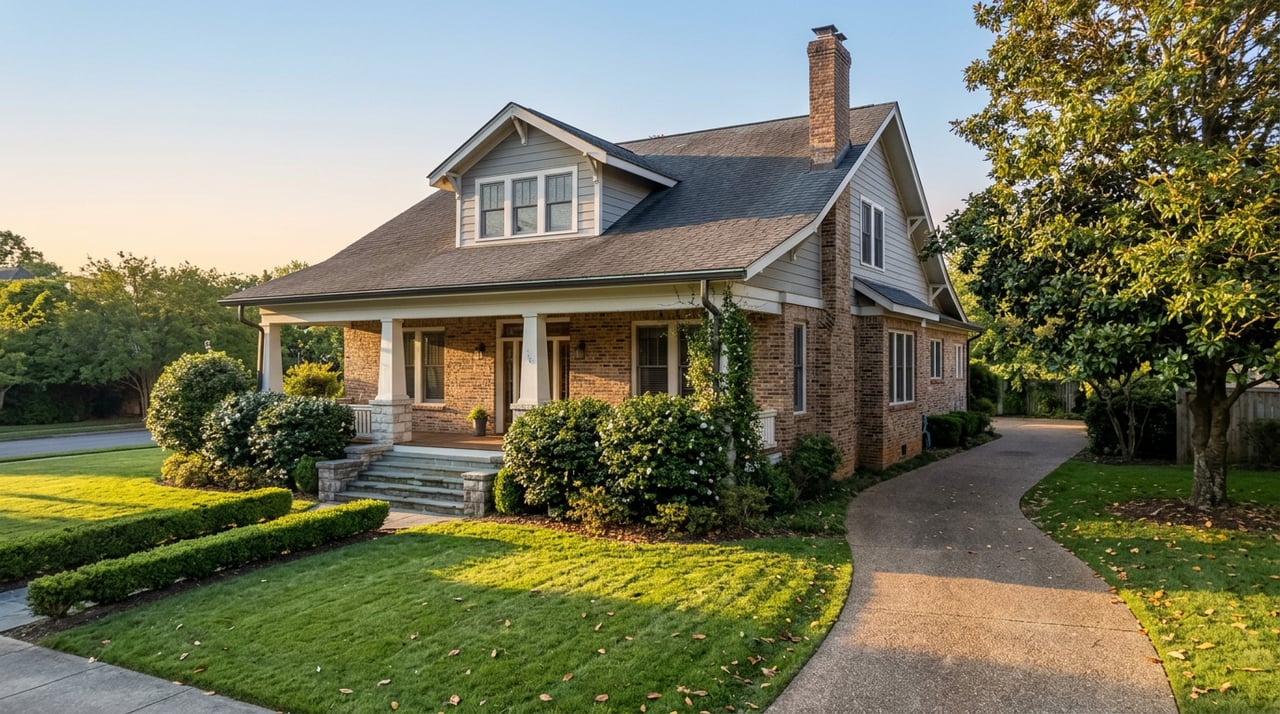
Curb appeal sets the tone before buyers walk in. Simple work can help:
These repairs are not glamorous. They work because they make the home feel cared for.
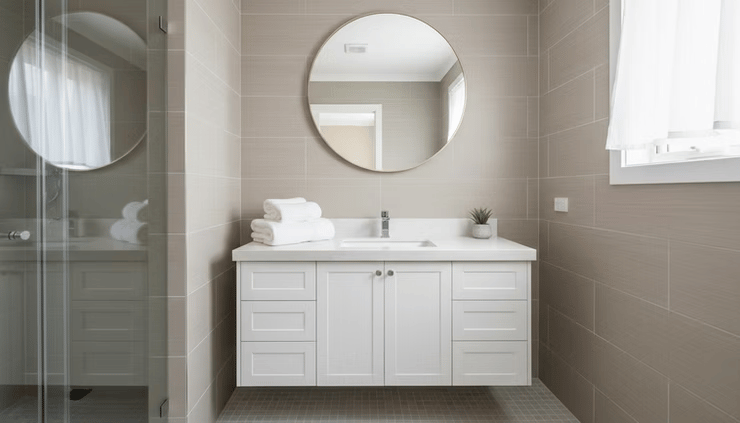
A bathroom refresh can remove a common buyer concern.
Renovating before selling is not always the best move.
Skip major work when the local market is very hot and buyers are already competing. In that case, listing sooner may matter more than upgrades.
Be careful with renovations if:
A seller may also choose to list as-is when the likely buyer is an investor, builder, or renovation-minded homeowner. In that case, updates may not change the offer much.
Start with the market, not the wish list.
Look at nearby homes that recently sold. Compare condition, features, square footage, and photos. Pay attention to kitchens, bathrooms, flooring, and finishes. If updated homes are selling much higher than dated homes, a few upgrades may help.
Next, estimate the real cost. Include materials, labor, permits, delays, cleanup, and carrying costs. If a project takes six weeks, factor in mortgage payments, utilities, insurance, and taxes during that time.
Then ask three practical questions.
Will buyers notice this improvement right away?
If yes, it may help. Paint, lighting, flooring, landscaping, and clean bathrooms are visible.
Will this fix a concern that could lower offers?
Water stains, damaged flooring, broken fixtures, and poor curb appeal can scare buyers.
Will the update match the price range of the home?
A modest home does not need luxury finishes. A higher-priced home may need a more polished look to compete.
Before starting large projects, get advice from a local real estate professional. A good agent can tell which updates buyers reward in your area and which ones to skip.
If you want help deciding what to fix before listing, ask for a home-selling consultation.
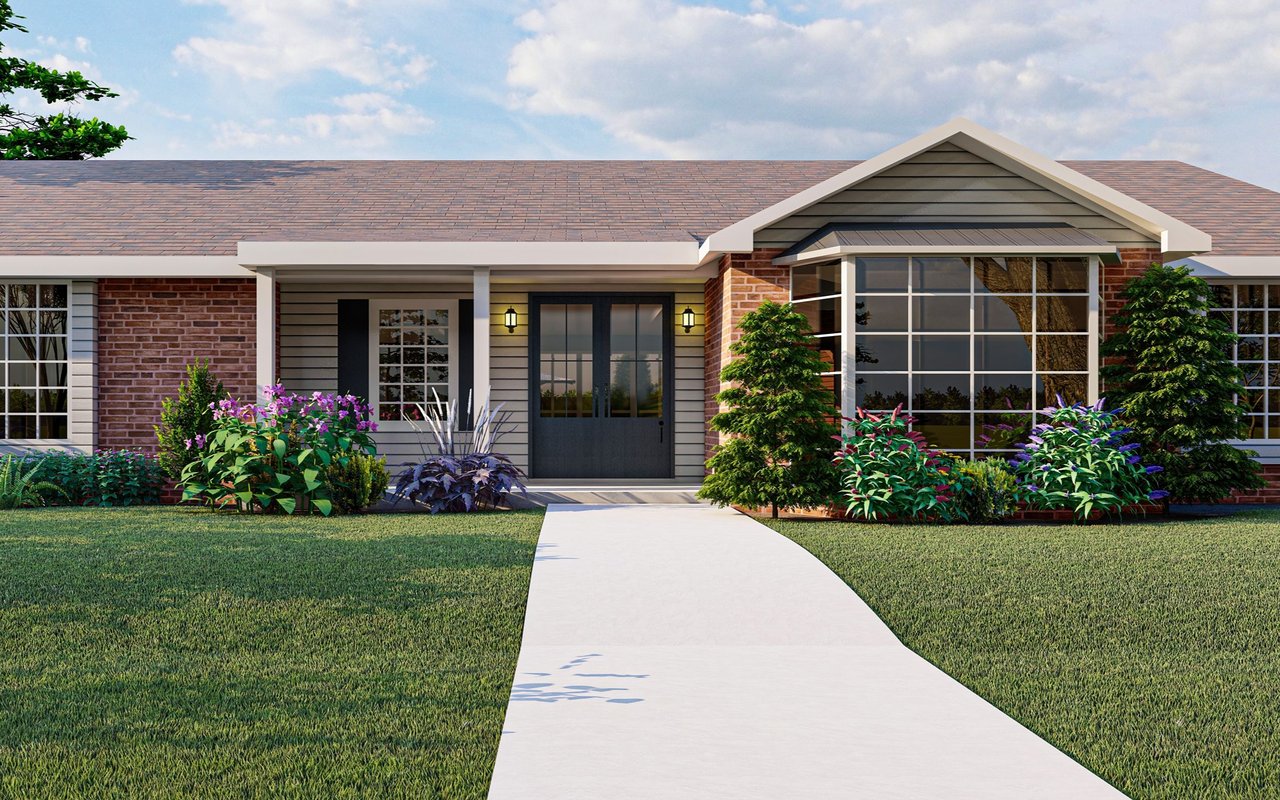
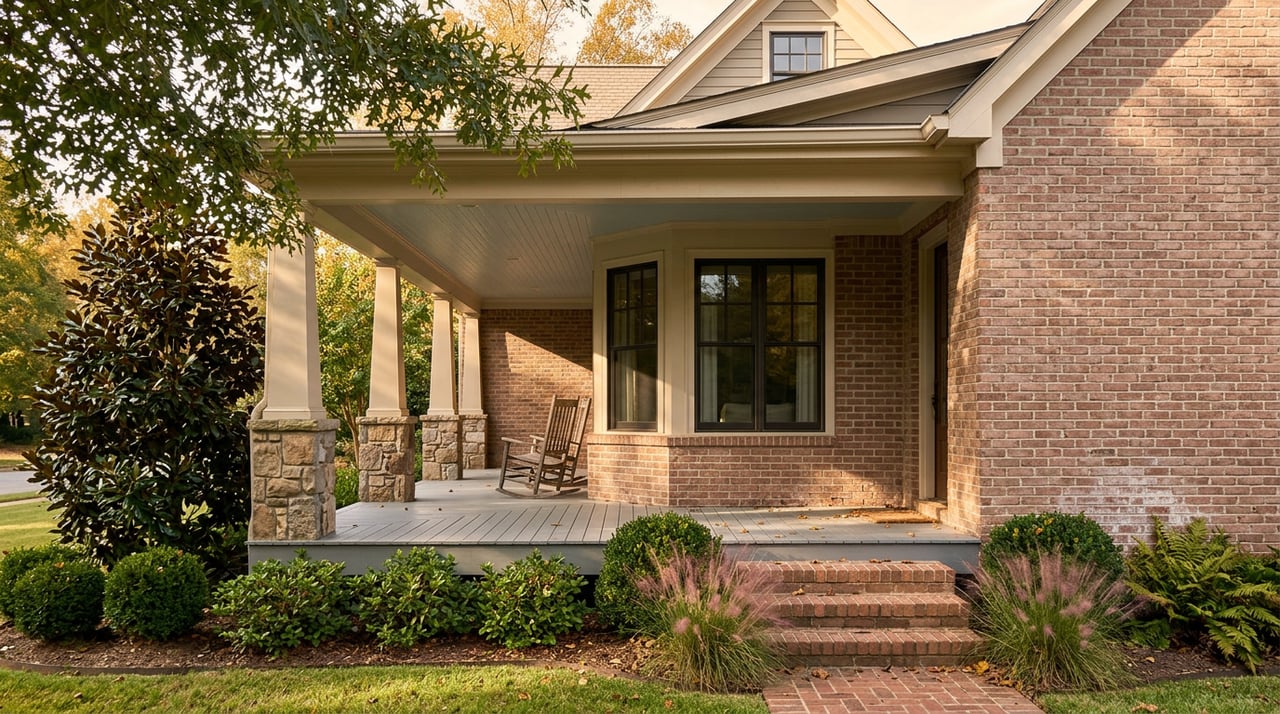
Curb appeal can shape a buyer’s first impression before the showing begins.
Renovate only if the kitchen looks dated, worn, or below nearby comparable homes. A cabinet refresh, new hardware, better lighting, and clean counters may be enough.
Sell as-is if the market supports it or the home needs major work. Make repairs when small problems could reduce buyer confidence or cause inspection issues.
Cosmetic updates often perform well. Fresh paint, flooring repairs, curb appeal, lighting, kitchen refreshes, and bathroom updates can help without overbuilding.
Usually no. Full remodels take time and carry more risk. Targeted updates often make more sense before a sale.
Spend only what the market can support. Compare similar sold homes first. A renovation should help the home sell faster, sell for more, or avoid price cuts.
Renovating before selling works best when the updates are practical and buyer-friendly. Fix what looks worn. Refresh what buyers see first. Avoid personal design choices and expensive projects that do not fit the neighborhood.
The best return often comes from making the home feel clean, cared for, and easy to move into. That does not always require a full remodel. It requires the right work before the sign goes in the yard.

The real estate market in 2026 continues to evolve, shaped by shifting interest rates.

Downsizing has become one of the fastest-growing trends in real estate.

Real estate is always changing, and staying informed is key to making confident decisions.

Have you ever wondered what it would be like to live like a celebrity?

Few properties capture the imagination quite like luxury waterfront homes.
Her mission is simple: to provide outstanding service while helping clients make informed decisions and achieve their real estate dreams.